
How Nonprofits Can Fund Security Cameras & Protection
Government Grants for Nonprofits Seeking Safer Facilities
Across the United States, churches, community centers, shelters, schools, and other mission-driven groups are facing an uncomfortable reality: threats to nonprofit facilities are increasing. Incidents such as vandalism, theft, harassment, and targeted attacks have pushed many organizations to reconsider how they protect staff, volunteers, and visitors.
At the same time, most nonprofit leaders face a difficult challenge. They know security improvements are needed, but budgets are tight, and funding must prioritize programs that serve the community.
That’s where the FEMA Nonprofit Security Grant Program (NSGP) comes in.
This program provides federal funding specifically designed to help nonprofit facilities strengthen physical security and reduce the risk of targeted attacks. The grant can support key security infrastructure, such as surveillance cameras, access control, lighting, training, and facility hardening.
For many organizations, however, the biggest challenge isn’t applying for the grant; it’s simply knowing it exists and understanding how to navigate the process.
This guide explains how the FEMA program works, who qualifies, what upgrades can be funded, and how nonprofit leaders can improve their chances of approval.
What Is the FEMA Nonprofit Security Grant Program?
The nonprofit security grant program is administered by the Federal Emergency Management Agency (FEMA) through the U.S. Department of Homeland Security. It exists to help nonprofit organizations strengthen their facilities against threats motivated by terrorism, extremism, or targeted violence.
The program is part of the larger homeland security grant program, which distributes security funding through federal agencies to support preparedness efforts nationwide.
Under the program, eligible nonprofit organizations can receive funding to implement security measures designed to protect people and infrastructure.
These improvements may include:
- - Surveillance camera systems
- - Perimeter security improvements
- - Access control and entry management
- - Security planning and training
- - Contracted security services
The goal is simple: help nonprofits reduce vulnerabilities and better protect the communities they serve.
Funding is distributed through state administrative agencies, which coordinate the program at the state level on behalf of FEMA.
While the program originates from the Federal Government, applications and awards are managed through state-level offices responsible for distributing the grant funds.
Why This Program Exists
Nonprofits often serve people who are especially vulnerable, and their doors are usually open to the community. Places like houses of worship, cultural centers, shelters, advocacy groups, and community programs are designed to be welcoming spaces where anyone can come for support, connection, or help.
While that openness is part of what makes these organizations so valuable, it can also create unique security challenges with the visibility making them potential targets.
In response, the security grant program NSGP was created to help organizations:
- - Reduce exposure to targeted threats
- - Improve physical security
- - Train staff and volunteers on preparedness
- - Coordinate with local law enforcement and emergency services
For organizations considered high risk, the program can provide essential support for building safer facilities.
Who Qualifies for the FEMA Nonprofit Security Grant?
To qualify for the program, an organization must meet several eligibility requirements.
First, it must be recognized as a nonprofit under the Internal Revenue Code (IRC), typically with 501(c)(3) status.
Second, the organization must demonstrate that it faces a potential risk of targeted violence or attack.
Some common examples of nonprofit organizations in eligible categories include:
Faith-based schools and community centers
Shelters and crisis response organizations
Advocacy groups serving vulnerable communities
Cultural institutions
Nonprofit healthcare or social service facilities
To be considered an entity eligible for the program, applicants must show evidence that their facility may be exposed to risk due to ideology, mission, or visibility.
This may include:
Previous incidents of harassment or vandalism
Threats directed at the organization
Local crime trends affecting similar institutions
Public events or gatherings that increase exposure
Organizations often work with local governments or security professionals to document these risks.
Federal Funding Levels and How Much Nonprofits Can Receive
Each fiscal year, FEMA allocates funding for the NSGP as part of the federal homeland security budget.
The exact amount of funding available can change annually, but in recent years the program has provided hundreds of millions of dollars in federal grants to support nonprofit security improvements.
Individual organizations can request funding for approved security projects.
Typical award amounts can reach up to $150,000 per facility, though exact limits depend on the current program rules and available funding.
Funds can be used for:
- - Physical security enhancements
- - Security planning and exercises
- - Contracted security personnel
- - Installation of security technology
For many organizations, this represents a significant funding opportunity to implement improvements that would otherwise be difficult to afford.
Security Improvements Covered by the Grant
One of the most common questions nonprofit leaders ask is which types of security improvements the grant will cover.
The program focuses on physical security upgrades designed to reduce vulnerabilities.
Some of the commonly approved improvements include:
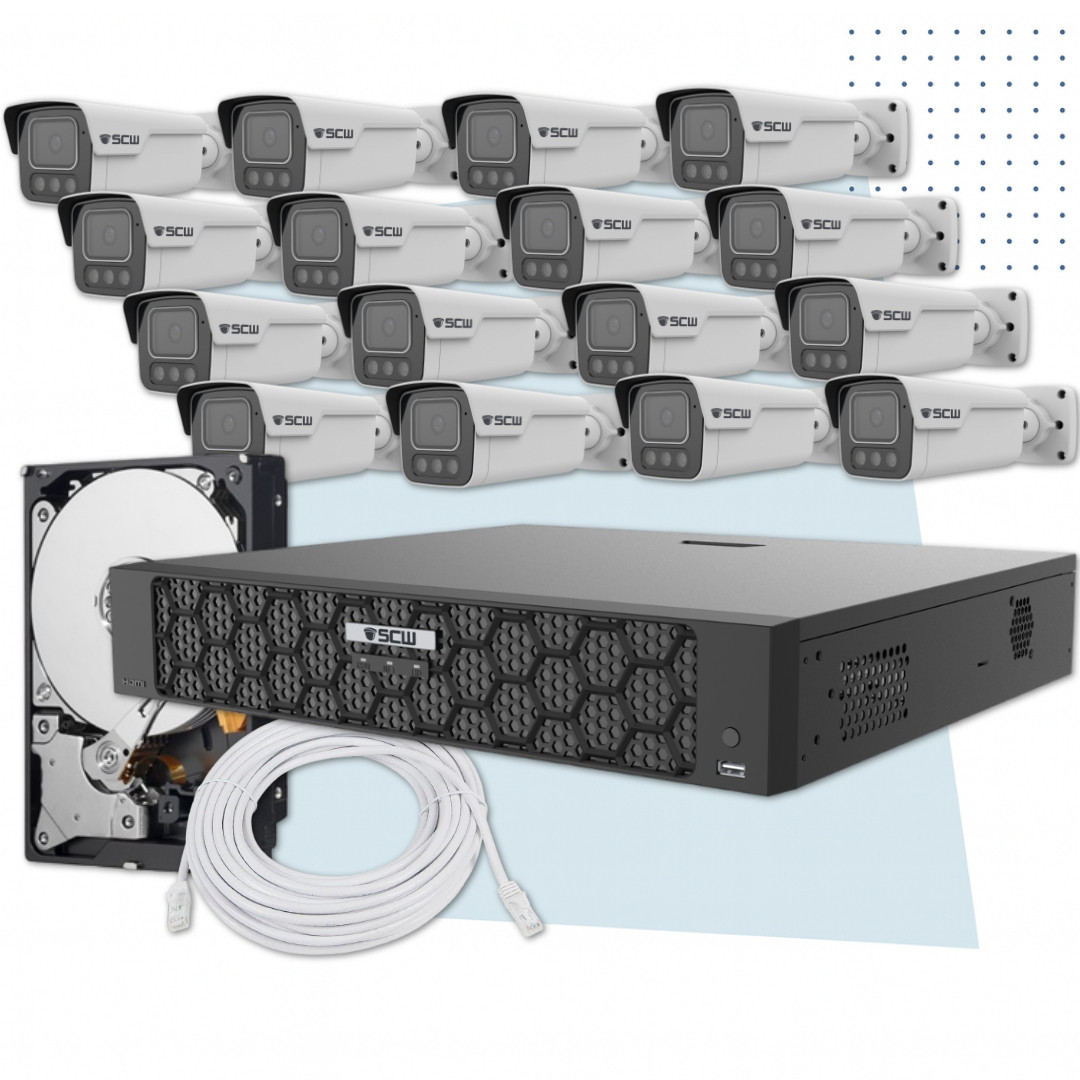
Surveillance Cameras
Commercial video surveillance systems allow organizations to monitor entrances, parking areas, and gathering spaces.
High-quality security equipment can deter crime, provide evidence during investigations, and improve coordination with law enforcement.
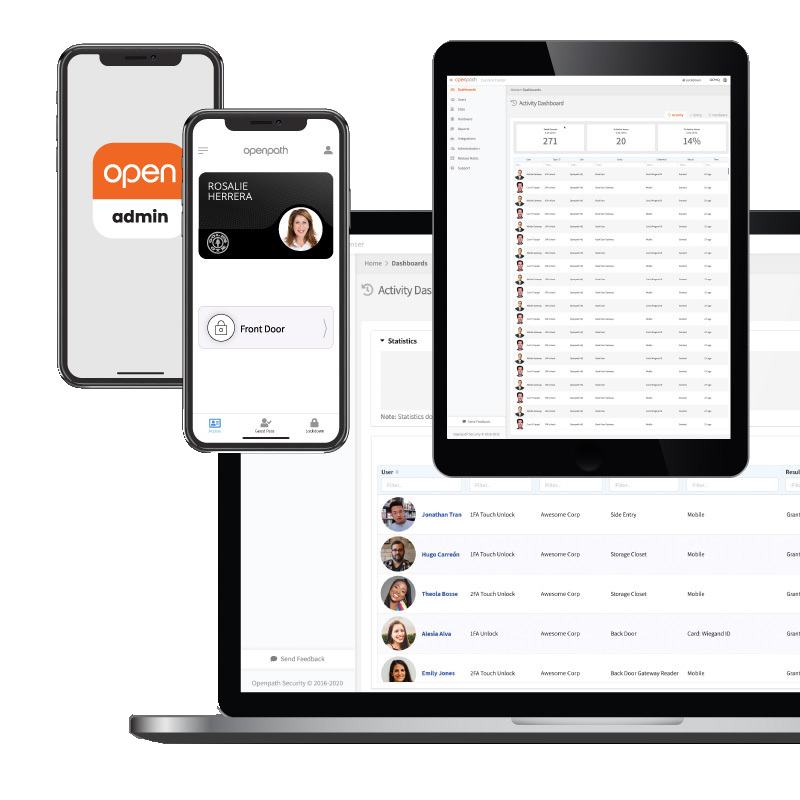
Access Control Systems
Modern access control systems allow organizations to manage who can enter a facility and when.
These systems help protect sensitive areas such as offices, classrooms, and administrative spaces.
Perimeter Protection
Funding may support:
- Lighting improvements
- Fencing and gates
- Entry hardening
- Alarm systems
These measures help prevent unauthorized access.
Security Planning and Training
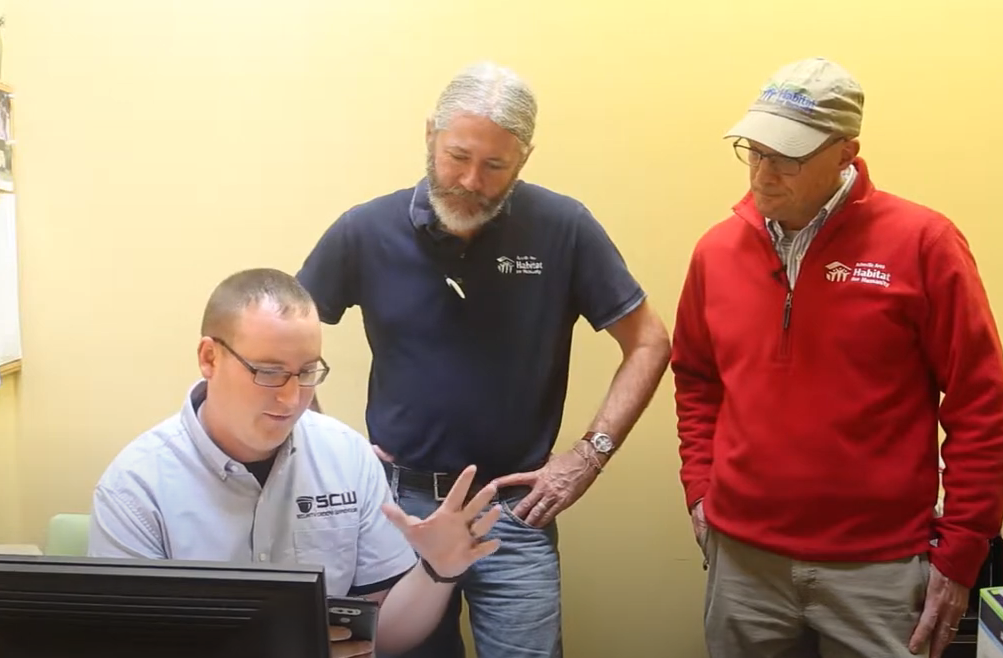
Grant funding may also support training programs that help staff respond to emergencies and coordinate with government agencies during a crisis.
Why Security Cameras and Access Control Are Frequently Funded
Among all eligible upgrades, surveillance and access control systems are some of the most commonly funded improvements.
This is because they provide multiple benefits:
Deterrence
Visible security cameras are shown to discourage theft, vandalism, and unauthorized entry.
Investigation Support
Recorded footage helps local law enforcement investigate incidents quickly.
Operational Awareness
Staff can monitor activity in real time and respond quickly to suspicious behavior.
Evidence Documentation
Security footage provides documentation of incidents.
Understanding the Application Process
Applying for the grant can feel overwhelming for organizations that have never pursued federal funding before. But it doesn't have to be.
The application process generally follows a structured set of steps.
Step 1: Confirm Eligibility
Organizations must verify that they meet the program’s grant requirements and qualify under FEMA guidelines.
Step 2: Conduct a Security Assessment
Applicants typically perform a vulnerability assessment to identify weaknesses in their facility.
This step helps determine what improvements should be included in the proposal.
Step 3: Develop a Security Plan
The plan outlines how the requested improvements will reduce risk.
Step 4: Submit Via the State Agency
Applications are submitted to state administrative agencies, which manage the program locally.
Step 5: Review and Selection
State officials review applications and forward recommendations to FEMA for final approval.
Note: The grant application process may vary slightly depending on the state program and available resources.
How to Improve Your Chances of Approval
Because demand for the grant is high, not every proposal receives funding.
Organizations that prepare strong applications typically focus on several key factors.
Demonstrating Risk
Applications must clearly explain why the organization may be a potential target.
Demonstrating Clear Impact
Proposals should explain how the requested improvements will reduce vulnerability.
Coordinating With Local Authorities
Working with local law enforcement and community partners strengthens the application.
Providing a Clear Budget
Applicants must show that requested funds align with realistic project costs.
Identifying the Right Resources
Applications should clearly outline the resources required to implement the project successfully.
Working With State Administrative Agencies
Although FEMA oversees the program nationally, the grant is administered locally through state administrative agencies.
These agencies provide guidance on:
- - Application timelines
- - Program rules
- - Evaluation criteria
- - Reporting requirements
Each state may also offer additional state-specific grants or security programs that complement the federal funding.
Organizations are encouraged to explore these grant opportunities as part of a broader security planning strategy.
How SCW Helps Nonprofits Use FEMA Grants
Many nonprofit leaders are surprised to learn that security technology providers can play an important role in the grant process.
While SCW does not submit grant applications on behalf of organizations, the company regularly helps nonprofits prepare the technical details needed for strong proposals.
The team at SCW supports organizations in a number of ways:
Designing Compliant Security Systems
Security infrastructure must align with FEMA program guidelines. SCW helps design innovative systems that meet those requirements.
Our team works closely with nonprofit leaders to understand the layout of their facility, the specific risks they face, and how people move through the space each day. From there, we recommend security solutions that not only address those vulnerabilities but also align with the types of improvements typically supported by the grant. This ensures the proposed system is practical, scalable, and clearly tied to the organization’s overall security strategy.
Providing System Layouts and Equipment Lists
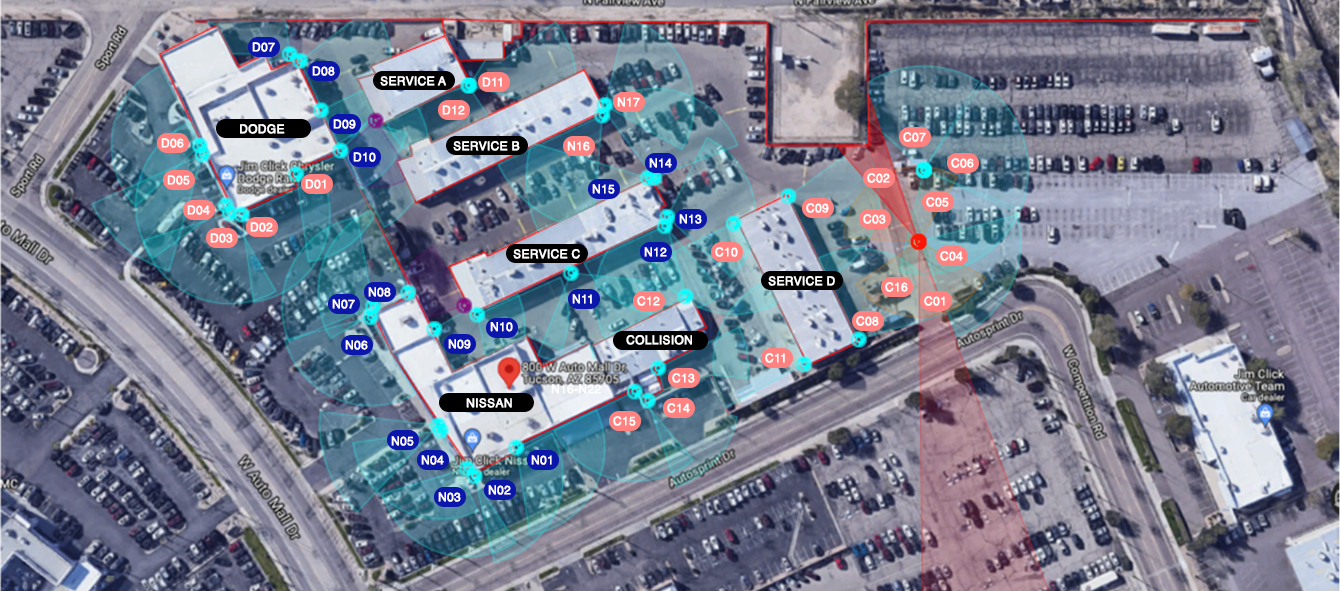
When nonprofits apply for the grant, they need to clearly explain which security improvements they plan to install and how those upgrades will enhance their facility's safety. SCW helps by creating detailed system layouts that map out camera placements, access control points, and coverage areas based on the organization’s building and property. These layouts make it easier for applicants to show exactly how their proposed system will address vulnerabilities and improve security.
Along with the layout, SCW can provide clear equipment lists outlining the required devices, such as cameras, recorders, and access control hardware. Having this level of detail helps ensure the proposal clearly communicates the scope and purpose of the project.
Helping Estimate Project Costs
A strong grant proposal also includes a realistic and well-documented budget. SCW works with nonprofits to estimate the costs associated with their security upgrades, including hardware, installation, and system configuration.
By providing structured cost estimates based on the proposed system design, organizations can present a clear breakdown of how the grant funds will be used. This helps decision-makers reviewing the application understand the value of the project and ensures that the requested funding aligns with the proposed security improvements. Accurate budgeting also helps nonprofits plan ahead so that once funding is approved, the project can move forward smoothly.
Supporting Multi-Facility Deployments
Organizations with multiple campuses or locations often require coordinated system planning.
In many cases, a project manager from the organization works with SCW to outline the scope of the security upgrade.
This collaboration ensures that the proposed improvements align with both operational needs and FEMA expectations.
Turning a Security Incident Into a Stronger Protection Plan
Many organizations only discover this grant after something unsettling happens, like vandalism, harassment, or another security incident at their facility.
While experiences like these can be stressful and concerning, they often prompt leaders to take a closer look at how their buildings and people are protected. In many cases, it becomes the moment when organizations begin thinking more seriously about improving their security.
If your organization has experienced an incident, here are a few practical steps you can take next:
- - Document the incident carefully
- - Report it to local law enforcement
- - Conduct a security assessment
- - Identify vulnerabilities
- - Explore available funding programs
Security upgrades funded through the NSGP can help you reduce the likelihood of future incidents.
Helpful Resources for the FEMA Nonprofit Security Grant Application
If your organization is considering applying for the FEMA Nonprofit Security Grant Program, reviewing trusted guidance and official materials can make the process much easier. The following resources can help nonprofit leaders better understand eligibility, deadlines, and how to prepare a strong application.
FEMA Nonprofit Security Grant Program (NSGP) Overview
FEMA’s official page explains the program's purpose, eligibility requirements, and current funding guidance.
FEMA Preparedness Grants Manual
This document outlines how preparedness grants are administered and provides detailed information about program requirements.
State Homeland Security Office or State Administrative Agency (SAA)
Each state administers the program locally. You can find contact information for your state agency here.
Department of Homeland Security Preparedness Resources
DHS provides additional guidance on federal preparedness and homeland security grants.
Many states also host information sessions, workshops, and webinars that walk nonprofit leaders through the grant application process. These sessions often include practical advice on risk assessments, project proposals, and budgeting, making them a valuable step for organizations preparing their first application.
Why Security Planning Matters for Nonprofits
Security planning is often overlooked until something goes wrong. Many nonprofit organizations operate with open doors and welcoming spaces, which is part of what makes them so valuable to their communities. But that openness can also create vulnerabilities if the right safeguards are not in place.
Taking a proactive approach to security helps nonprofit leaders protect their people, their facilities, and the programs they work so hard to provide. When organizations plan ahead, they can address potential risks before they turn into real problems.
Proactive security planning helps organizations:
Protect people and property
Staff, volunteers, and visitors should feel safe when they enter your facility. Security cameras, access controls, and thoughtful facility design can help deter crime and provide visibility when incidents occur.
Strengthen community trust
When a nonprofit demonstrates that it takes safety seriously, it reassures the community it serves. Donors, members, and visitors are more comfortable participating in programs when they know the organization is committed to creating a secure environment.
Reduce operational disruptions
Incidents such as theft, vandalism, or unauthorized access can interrupt services and divert valuable resources. Strong security planning helps organizations continue their work without unnecessary disruptions.
Improve emergency response
A well-designed security plan helps staff respond quickly and effectively during an emergency. Systems like surveillance cameras and access control can provide valuable information to first responders and help coordinate with local authorities.
For many nonprofits, implementing modern security infrastructure is an important step toward long-term resilience. By identifying risks early and investing in the right systems, organizations can continue focusing on their mission while knowing their facilities are better protected.
How SCW Supports Nonprofit Security Planning
SCW has worked with thousands of organizations across the country to design and deploy professional surveillance systems that meet the real-world needs of nonprofit facilities. From small community centers to large multi-building campuses, our team understands that every organization operates differently and requires a thoughtful approach to security.
Our approach focuses on three key principles:
Practical, scalable system design
We design systems that match how nonprofits actually use their spaces. That means identifying key areas such as entrances, gathering spaces, parking areas, and administrative offices, then recommending solutions that provide the right level of coverage without unnecessary complexity. As organizations grow, these systems can scale to support additional buildings or campuses.
Compliance with federal and state guidelines
Many nonprofits applying for grants need to ensure their proposed security improvements align with funding requirements. SCW helps organizations understand what types of systems are typically eligible and how to structure their security plans so they align with FEMA grant guidelines and other security funding programs.
Long-term support and training
Installing a system is only the first step. SCW provides ongoing support, training, and technical guidance so staff members feel confident using the technology. This ensures systems remain effective long after installation.
Whether an organization is applying for a grant or planning security upgrades independently, SCW helps nonprofit leaders evaluate their facilities, identify vulnerabilities, and determine which technologies are most appropriate for their environment. By combining practical security expertise with a deep understanding of commercial-grade surveillance systems, we help nonprofits create safer spaces for the communities they serve.
Building Safer Nonprofit Facilities
The nonprofit security grant program represents one of the most valuable government grants for nonprofits focused on physical security.
For organizations facing increased safety concerns, it provides an opportunity to invest in modern infrastructure that protects people, property, and mission-critical operations.
While navigating the grant process can seem complicated, the benefits can be substantial.
With careful planning, collaboration with local authorities, and a clear security strategy, nonprofit leaders can significantly improve their chances of receiving funding.
Start Planning a Safer Facility with SCW
If your nonprofit is exploring security upgrades or preparing to apply for the FEMA Nonprofit Security Grant, SCW can help you design a system that aligns with program guidelines and your organization’s needs.
Our team works with churches, community organizations, and nonprofits across the country to plan and deploy reliable surveillance and access control systems.
To learn more or start planning your security improvements, contact our team today and speak with a security expert about your facility.
Get a free custom quote
Request a Quote, and we’ll design a free, custom security camera floor plan for your unique location.